What is SLSA?
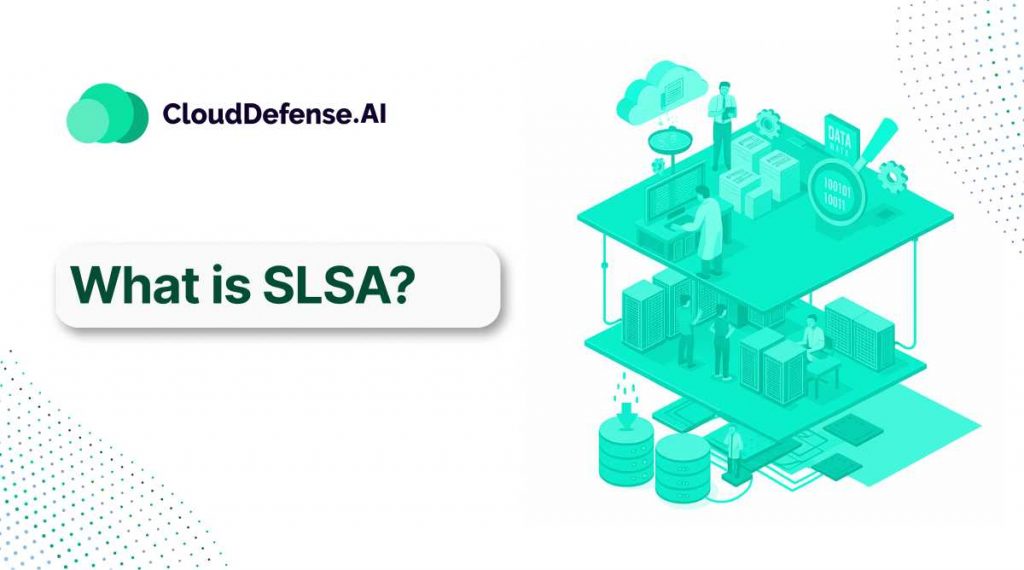
Supply-chain Levels for Software Artifact is a security framework that improves and ensures the integrity of software packages and infrastructure throughout their supply chain.
Benchmarking AI-Generated Code: Cursor vs Windsurf vs Secure Coding Standards
The rise of AI-based code editors is reshaping the approach towards the software development process. Among all the AI power code-generating tools, Cursor and Windsurf have emerged as the prominent solutions. Despite offering high productivity and speed in the SLDC, there is still uncertainty in the security and quality of AI-generated code. Benchmarking AI-generated code […]
What is DNS Poisoning?
DNS poisoning (or DNS spoofing) is a cyberattack that alters DNS records to redirect users to malicious websites without their knowledge.
What is Firewall Configuration?
Firewall configuration is the process of setting up rules and policies to control incoming and outgoing network traffic for enhanced security.
What is Hyperscale?
Hyperscale refers to the ability of an IT system or architecture to scale efficiently and rapidly to meet increasing demand.
What is a QR Code?
A QR code is a scannable, two-dimensional barcode that instantly links to digital content or actions via a smartphone or device.
Detecting and Fixing Vulnerabilities in Code Suggested by Cursor and Windsurf
Cursor and Windsurf have become two prominent choices for developers. With their capabilities of generating contextual AI codes and completing functions from natural-language prompts, organizations are getting highly benefited. However, the biggest issue with AI code assistant tools is that they utilize various third-party dependencies and models to generate contextual code. This often leads to […]
What is CTEM?
CTEM (Continuous Threat Exposure Management) is a proactive cybersecurity approach to continuously identify, assess, and mitigate evolving threats.
What is Root Cause Analysis (RCA) in Cybersecurity?
Root Cause Analysis (RCA) in cybersecurity is a methodical process to identify and address the underlying cause of security incidents.
What is Confidential Computing?
Confidential Computing is a technology that protects sensitive data during processing by isolating it in secure, hardware-based environments.